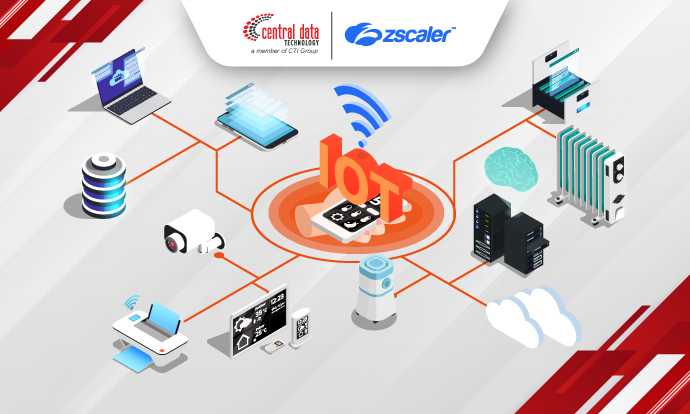
The Internet of Things (IoT) is one of the biggest innovations in modern technology. From smart homes to smart cities, IoT has transformed the way we interact with our surroundings, providing smart and fast solutions to improve efficiency, convenience, and productivity.
However, behind the ease and benefits offered by IoT, there are also challenges that need to be addressed, especially related to security and privacy. Many IoT devices are vulnerable to cyberattacks due to inadequate security measures. The risk of data theft and privacy breaches is a major concern, given that IoT devices often collect and transmit sensitive data.
Therefore, you need to understand more about what the Internet of Things (IoT) is, how it works, and how to address security issues in IoT implementation. Read on to find out more in this article.
What is the Internet of Things (IoT)?
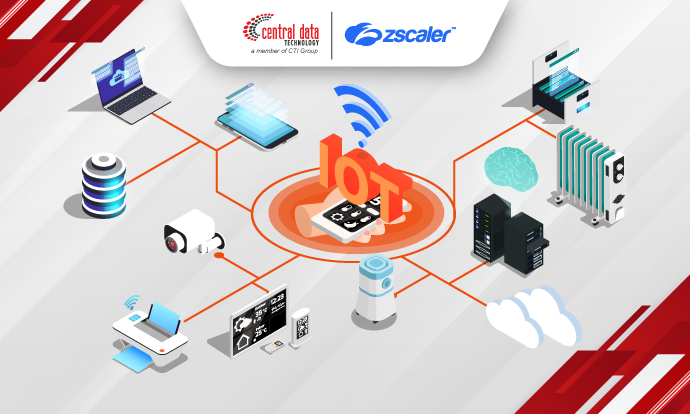
The Internet of Things (IoT) is a network of hardware connected to the internet, allowing these devices to collect, share, and exchange data. Examples of IoT devices include sensors, household appliances, and vehicles equipped with technology to communicate with each other.
In everyday life, IoT is used in smart home concepts to control lights, thermostats, and security systems through smartphones. In healthcare, connected medical devices monitor patient conditions in real-time. Industries also utilize IoT to monitor machinery and production processes, improving efficiency and reducing costs.
How Does IoT Work?

The operation of the Internet of Things (IoT) involves several key steps that allow devices to collect, send, and receive data. Here is a brief explanation of how IoT works:
Data Collection
IoT devices are equipped with sensors or actuators that collect data from their surroundings. For example, temperature sensors, light sensors, or cameras. This data can be physical information (such as temperature, humidity, or images) or other data (such as location or device status).
Connectivity
The data collected by IoT devices is then sent through the internet to data centers or the cloud. This process requires an internet connection that can use various communication technologies such as Wi-Fi, Bluetooth, cellular, or other network protocols.
Data Processing
The data received in the cloud or data center is then processed and analyzed. This processing can involve simple to complex analytics, including machine learning and artificial intelligence, to generate useful insights.
Action and Feedback
Based on data analysis, the system can send instructions back to IoT devices to perform certain actions. For example, turning devices on or off, sending notifications to users, or adjusting certain settings on devices.
User Interface
Users can interact with the IoT system through applications or dashboards that provide real-time control and information. This allows users to monitor, control, and manage their IoT devices remotely.
Benefits of Using IoT for Industries and Households
Here is a table explaining the benefits of using IoT for industries and households:
| Category | Benefits | Industry | Household |
| Energy Efficiency | Reducing energy consumption through monitoring and automation | Optimizing machine and lighting usage | Use of smart devices like thermostats and smart lights |
| Predictive Maintenance | Reducing downtime with real-time condition-based maintenance | Real-time health check for machines and equipment | Early warnings for household appliances like AC and water heaters |
| Security | Enhancing physical and data security | Security sensors and cameras for factory monitoring | Home security systems like cameras and alarms |
| Productivity | Improving operational efficiency and productivity | Automating production processes and supply chain management | Automating household tasks like cleaning with robot vacuums |
| Convenience | Providing ease and comfort | Smart building management systems for optimal working environments | Remote control of household devices via smartphone |
| Cost Savings | Reducing operational and maintenance costs | Process optimization and waste reduction | Energy and water savings via smartphone |
| Decision Making | Real-time data for better decision-making | Data analysis for process improvement and product development | Monitoring energy usage and devices for better management |
| Customization | Adjustments tailored to specific needs | Flexible production systems that can be adjusted to demand | Lighting, temperature, and device settings according to user preferences |
| Interoperability | Integration with other systems and devices | Integration of manufacturing systems and supply chains | Synchronization of smart devices for a connected experience |
This table shows that the use of IoT brings many significant benefits for both industries and households, focusing on efficiency, security, productivity, convenience, and cost savings.
Examples of IoT Device Usage

Here are some examples of IoT devices in various categories such as connected cars, smart homes, smart cities, and smart buildings:
Connected Car
- GPS Navigation Systems: Provide real-time directions and traffic information
- Vehicle Telematics: Collect data on vehicle performance, maintenance, and driver behavior
- In-Car Entertainment Systems: Connected to the internet for streaming music, videos, and other applications
- Vehicle Security Systems: Sensors detect accidents and send emergency notifications
- Autonomous Vehicles: Use sensors and algorithms to drive without human intervention
Smart Home
- Thermostats: Automatically regulate home temperature based on user preferences and weather conditions
- Lights: Can be controlled remotely via smartphone to adjust lighting
- Security Cameras: Monitor home security and send notifications when suspicious activity is detected
- Virtual Assistants: Devices like Amazon Echo or Google Home that control other household devices with voice commands
- Smart Locks: Door locks that can be accessed and controlled via smartphone
Smart City
- Streetlights: Adjust light intensity based on the time of day and surrounding activity
- Air Quality Sensors: Measure air pollution and provide real-time data for environmental management
- Waste Management Systems: Trash containers report when they are full to optimize waste collection routes
- Smart Parking Systems: Sensors detect parking space availability and provide information to drivers via an app
- Public Transportation: Systems provide real-time information on schedules and locations of public transport
Smart Office
- Building Management Systems: Automatically control lighting, ventilation, and temperature for energy efficiency
- Security Sensors: Detect fires, intrusions, and other emergencies and send notifications
- Meeting Room Management: Monitor room usage and allow reservations through an app
- Elevators: Optimize routes and speed based on demand and peak times
- Adaptive Lighting Systems: Adjust light intensity and color based on the time of day and occupant activity
These devices show how IoT can be applied in various aspects of life to improve efficiency, security, convenience, and cost savings.
Challenges in the Use and Implementation of IoT
After reviewing how it works and its benefits, it turns out that implementing the Internet of Things (IoT) brings various challenges that need to be addressed. One of them is security, where many IoT devices are vulnerable to cyberattacks due to inadequate security measures.
Additionally, interoperability between devices from different manufacturers is also an issue, given the variety of standards and protocols used. Privacy issues also arise because IoT devices often collect sensitive user data. Moreover, scalability and infrastructure management also become challenges in expanding and maintaining a complex IoT network.
To address security and privacy issues when using IoT, Zscaler offers innovative and secure IoT solutions to tackle the challenges of implementing and managing IoT infrastructure. One of these flagship solutions is the Zscaler Zero Trust Exchange, a Zero Trust approach that places security at the center of every network interaction, including IoT.
Zscaler Zero Trust Exchange IoT Security Solutions
Zscaler Zero Trust Exchange is a security platform that enables companies to implement a Zero Trust approach in securing their IT environment. This Zero Trust approach places trust in every connection request to the network, whether from within or outside the organization. This platform provides a strong layer of protection by verifying every user, device, and application before granting access to network resources.
Zscaler Zero Trust Exchange also provides various features and services that help organizations enhance their cybersecurity. One of these features is comprehensive visibility into the entire IT infrastructure, including IoT devices, servers, and unmanaged user devices. This feature allows organizations to identify and manage all potential threats more effectively.
Moreover, Zscaler Zero Trust Exchange also offers solutions to secure access to Operational Technology (OT) systems safely. This includes well-managed access settings for third-party vendors and remote users, as well as secure and encrypted communication for IoT and OT devices. Thus, Zscaler Zero Trust Exchange helps organizations reduce risk, enhance security, and ensure business agility when using IoT devices.
Features and Benefits of Zscaler Zero Trust Exchange
The key features and benefits of Zscaler Zero Trust Exchange are as follows:
Features
- Comprehensive Visibility: Full visibility into the entire IT infrastructure, including IoT devices, servers, and unmanaged user devices
- Managed Access Control: Secure access to OT systems, including well-managed access settings for third-party vendors and remote users
- Secure IoT and OT Device Communication: Facilitates secure and encrypted communication for IoT and OT devices, ensuring data security and privacy
Benefits
- Enhanced Security: Zero Trust approach to securing the IT environment, minimizing the risk of cyberattacks and protecting sensitive data
- Increased Productivity: Users and vendors can quickly and securely connect to the necessary network resources without compromising security
- Effective Risk Management: Tools and services that can identify, manage, and mitigate various types of threats
- Business Agility: Scalable security solutions that can be tailored to meet the needs, supporting agility and innovation in the business environment
Protect Your Business IoT Devices with Security Solutions from Zscaler Only at CDT
Bring advanced IoT security systems across your company’s digital ecosystem with Zero Trust Exchange exclusively at Central Data Technology (CDT). As an authorized Zscaler partner, CDT will help you avoid trial and error from consultation, deployment, and maintenance to after-sales support.
Supported by experienced and certified IT professionals, CDT will assist you through all processes of adopting Zscaler Zero Trust Exchange solutions to ensure all data and privacy in IoT usage are protected. Interested in Zscaler solutions? Do not hesitate to contact us by clicking the following link
Author: Ary Adianto
Content Writer CTI Group