Have you ever experienced a slow application, website errors, or a system failure without warning? When this happens, customers leave, transactions are delayed, and IT teams must act fast. Without the right monitoring system, issues are often detected only after they’ve already caused significant damage. That’s why modern businesses cannot afford to overlook the importance of real-time system monitoring
According to Forbes, monitoring systems do more than just log data—they automatically detect changes and provide early warnings before issues escalate. With proactive monitoring, businesses can prevent downtime, maintain optimal application performance, and ensure a seamless user experience.
So, how does a monitoring system work? What benefits does it offer for your business? Let’s dive in!
What is a Monitoring System?

A monitoring system is a system used to monitor the performance of applications and infrastructure in real-time. By analyzing collected data, this system helps detect issues early, prevent major disruptions, and ensure optimal performance.
Key Functions of a Monitoring System
With the right system, businesses can detect potential disruptions before they escalate, optimize performance, and improve operational efficiency. So, what are the key functions of a monitoring system in the business world? Here are some crucial roles that make it an essential solution.
Understanding What is Happening
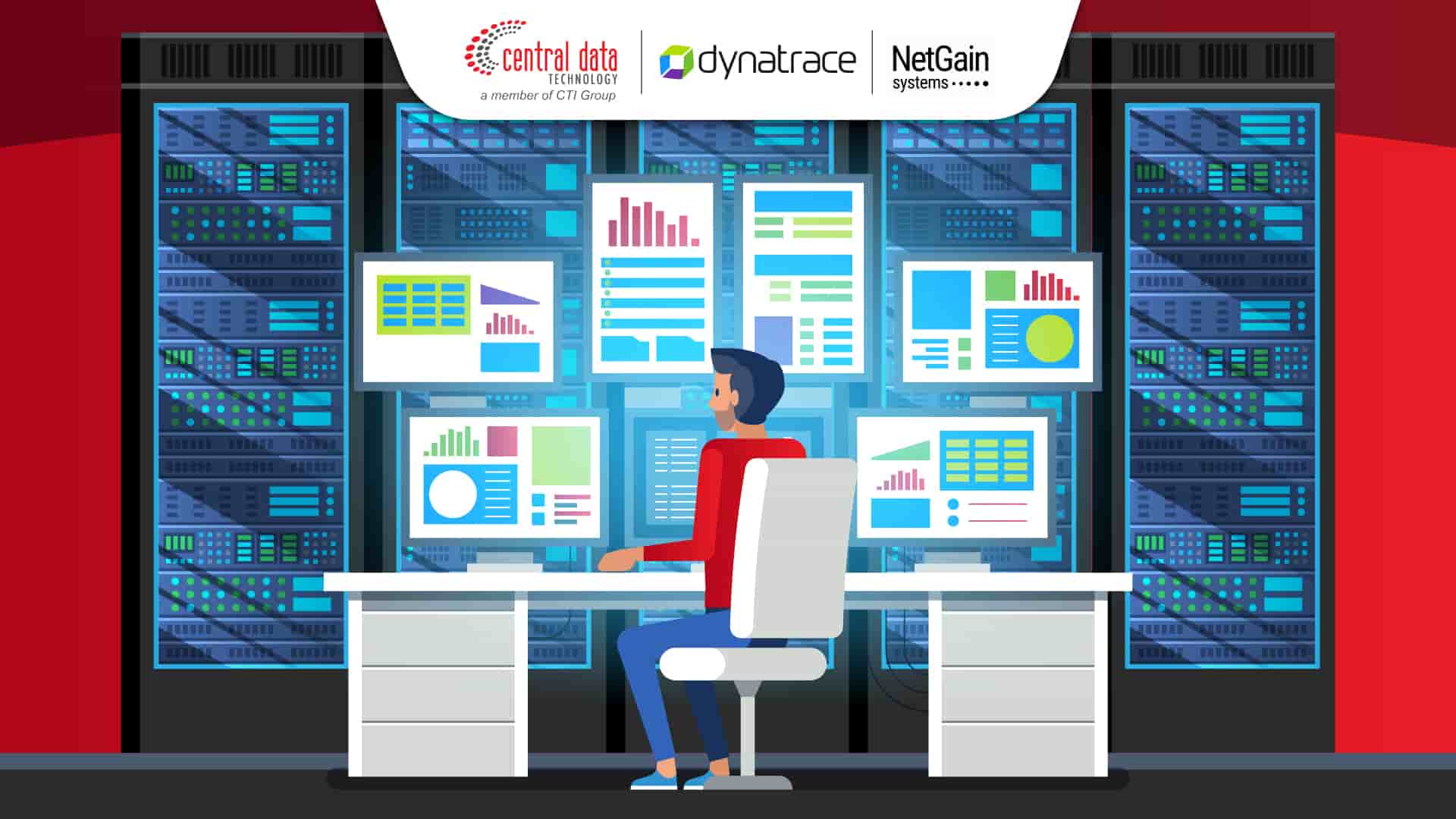
A monitoring system provides full visibility into systems and applications, allowing IT teams to view real-time performance. This enables issues to be detected faster without waiting for reports from users or customers.
Preventing Problems Before They Occur
Beyond monitoring, this system also provides early warnings in case of anomalies. With accurate data analysis, IT teams can take preventive actions before issues escalate into major disruptions.
Identifying Application Performance
Poor application performance can affect productivity and customer satisfaction. A monitoring system helps identify errors, lag, or other performance issues, allowing quicker resolution.
Basis for Evaluation and Decision-Making
Data collected by a monitoring system can be used to evaluate the effectiveness of systems and infrastructure. With precise analysis, businesses can make data-driven decisions to improve efficiency and operational strategies.
Why is a Monitoring System Important for Business Performance and Security?

A slow or suddenly failing system can have a significant impact—from reduced productivity to lost business opportunities. Here are some advantages that make a monitoring system an invaluable investment.
Enhancing Efficiency and Productivity
A monitoring system helps IT teams identify potential issues before they escalate. With real-time monitoring, troubleshooting can be done faster, reducing operational disruptions, and ensuring all systems run optimally.
Reducing Downtime
Undetected system failures can lead to costly downtime. A monitoring system provides early warnings about potential disruptions, allowing IT teams to act quickly to prevent failures that could hinder operations.
Enhancing System and Data Security
Cyber threats continue to evolve, and a monitoring system acts as an early detection system against suspicious activities. With continuous monitoring, companies can identify threats before they turn into major attacks that jeopardize data security.
Optimizing Resource Utilization
Without proper monitoring, companies may experience unnecessary infrastructure capacity wastage. A monitoring system helps manage resource usage more efficiently, ensuring that every IT asset is optimally utilized according to business needs.
Read More: Beyond Monitoring — 9 Observability Predictions for 2025 Every Business Must Know!
Types of Monitoring Systems and Their Roles in Business
Monitoring systems come in various forms, each designed to oversee specific aspects of business infrastructure and applications. Here are the main types and their roles in maintaining business system stability.
Application Monitoring
Application monitoring focuses on tracking application performance to ensure speed, availability, and stability. With this system, companies can detect bottlenecks, errors, or disruptions that could hinder user experience.
Infrastructure Monitoring
Infrastructure monitoring is responsible for overseeing IT components such as servers, networks, databases, and storage. With real-time monitoring, companies can ensure all devices function optimally and prevent system failures that could disrupt business operations.
Network Monitoring
Network monitoring allows companies to track network traffic, identify anomalies, and prevent cyber-attacks. This system helps maintain network stability and ensures it remains secure from external and internal threats.
Security Monitoring
Security monitoring plays a role in detecting suspicious activities or cybersecurity threats. This system works by analyzing logs, identifying anomaly patterns, and providing early warnings against potential cyber-attacks such as malware or phishing.
Performance Monitoring
Performance monitoring helps companies measure and analyze the performance of applications and infrastructure. With the collected data, businesses can optimize resource usage and improve overall operational efficiency.
How is a Monitoring System Used Across Industries?
From the financial sector to manufacturing, monitoring systems assist businesses in real-time supervision and data-driven decision-making. So, how is a monitoring system applied in the business world? Here are some examples of its use across various sectors.
Financial Sector
- Monitors transactions and suspicious activities in real-time
- Prevents fraud through anomaly detection in transactions
E-Commerce
- Ensures websites remain responsive and free from server overload
- Monitors payment systems and service availability
Manufacturing
- Tracks production machine performance to prevent downtime
- Implements preventive maintenance based on data analysis
Healthcare
- Ensures electronic medical record systems operate smoothly
- Monitors medical devices connected to the hospital network
Telecommunications
- Oversees network quality and detects signal disruptions
- Optimizes bandwidth capacity for more stable services
Essential Monitoring Tools for System Performance Optimization
Maintaining optimal application and infrastructure performance in a continuously evolving IT ecosystem requires more than just basic monitoring. Central Data Technology (CDT) offers modern monitoring solutions that combine AI-driven analytics and real-time observability, ensuring every system aspect is monitored accurately and automatically. With technology from Dynatrace and NetGain Systems, businesses can detect anomalies early, optimize operational efficiency, and maintain a seamless user experience.
Dynatrace Monitoring: AI-Driven Observability for Peak Performance
Dynatrace provides a comprehensive AI-powered monitoring solution that delivers deep visibility into modern IT environments. By integrating application monitoring, infrastructure monitoring, and security monitoring into a single platform, Dynatrace automates anomaly detection and root cause analysis within seconds. This enables IT teams to respond proactively and prevent small issues from escalating into major disruptions.
What sets Dynatrace apart is its full-stack observability powered by AI. Infrastructure observability ensures seamless multi-cloud operations, while Application Performance Management (APM) provides deep insights through distributed tracing and code-level analytics. Additionally, digital experience monitoring enhances user interactions, while log analytics and security monitoring proactively detect and mitigate cyber threats in real time.
Learn More About Product: Dynatrace
NetGain Systems: Scalable and Adaptive Infrastructure Monitoring
NetGain Systems offers a scalable and adaptive monitoring solution designed to ensure IT infrastructure reliability. Unlike Dynatrace, which specializes in AI-driven observability, NetGain focuses on proactive infrastructure monitoring through customizable dashboards and real-time alerts. This allows businesses to monitor on-premises, hybrid, and cloud-native environments efficiently, ensuring system stability and uninterrupted operations.
A key strength of NetGain is its AI-driven anomaly detection, which continuously analyzes real-time data against operational baselines to quickly identify irregularities. Its Versatile Dashboard 2.0 provides an intuitive and customizable monitoring interface for both IT teams and business decision-makers. Additionally, extensive reporting and compliance tools—including pre-built CIS and HIPAA compliance reports—make NetGain a reliable choice for enterprises needing strict regulatory oversight and infrastructure security.
Learn More About Product: NetGain Systems
Why Dynatrace and NetGain Are the Right Choice for Monitoring Systems?
Dynatrace provides AI-driven observability, enabling automated detection and analysis to keep applications and infrastructure stable without major disruptions. Meanwhile, NetGain Systems offers high flexibility with customizable dashboards and AI-driven anomaly detection, ensuring precise real-time monitoring.
The combination of both solutions not only enables proactive issue detection but also enhances operational efficiency and user experience holistically.
Reliable Monitoring Solutions for Uninterrupted Business Operations – Only at CDT
Ensure the optimal performance of your applications and infrastructure with Central Data Technology (CDT), a part of CTI Group. As an authorized partner of Dynatrace and an official distributor of NetGain Systems in Indonesia, CDT delivers AI-driven observability and infrastructure monitoring solutions that help businesses prevent downtime, optimize operational efficiency, and maintain a seamless user experience.
Trust CDT for your business’s monitoring system needs. Contact our team today and discover the best solution to ensure the stability of your IT systems!
Author: Danurdhara Suluh Prasasta
CTI Group Content Writer