In the past, passwords were our only line of defense in the digital world. Then came OTPs, tokens, and two-factor authentication (2FA/MFA), which were considered stronger. However, as cyber threats grow and attacks become more sophisticated, these layers alone are no longer enough.
Today, security is not measured by how many verification steps exist, but by how intelligently a system understands user context, from location and device to behavioral patterns during login. This is the modern concept behind adaptive authentication, a new evolution in digital identity protection.
So, what makes these methods different from traditional authentication? How does it enhance security without compromising user convenience? Let’s dive deeper.
What Is Adaptive Authentication?
Adaptive authentication is an intelligent identity verification method that dynamically adjusts security levels based on contextual factors like user location, device type, network, and behavior patterns.
Unlike traditional authentication, which verifies identity only once at login, adaptive authentication continuously monitors user sessions to detect anomalies or risks in real time. It aligns perfectly with the Zero Trust model, continuously validating access without compromising user convenience.
How Adaptive Authentication Protects User Access
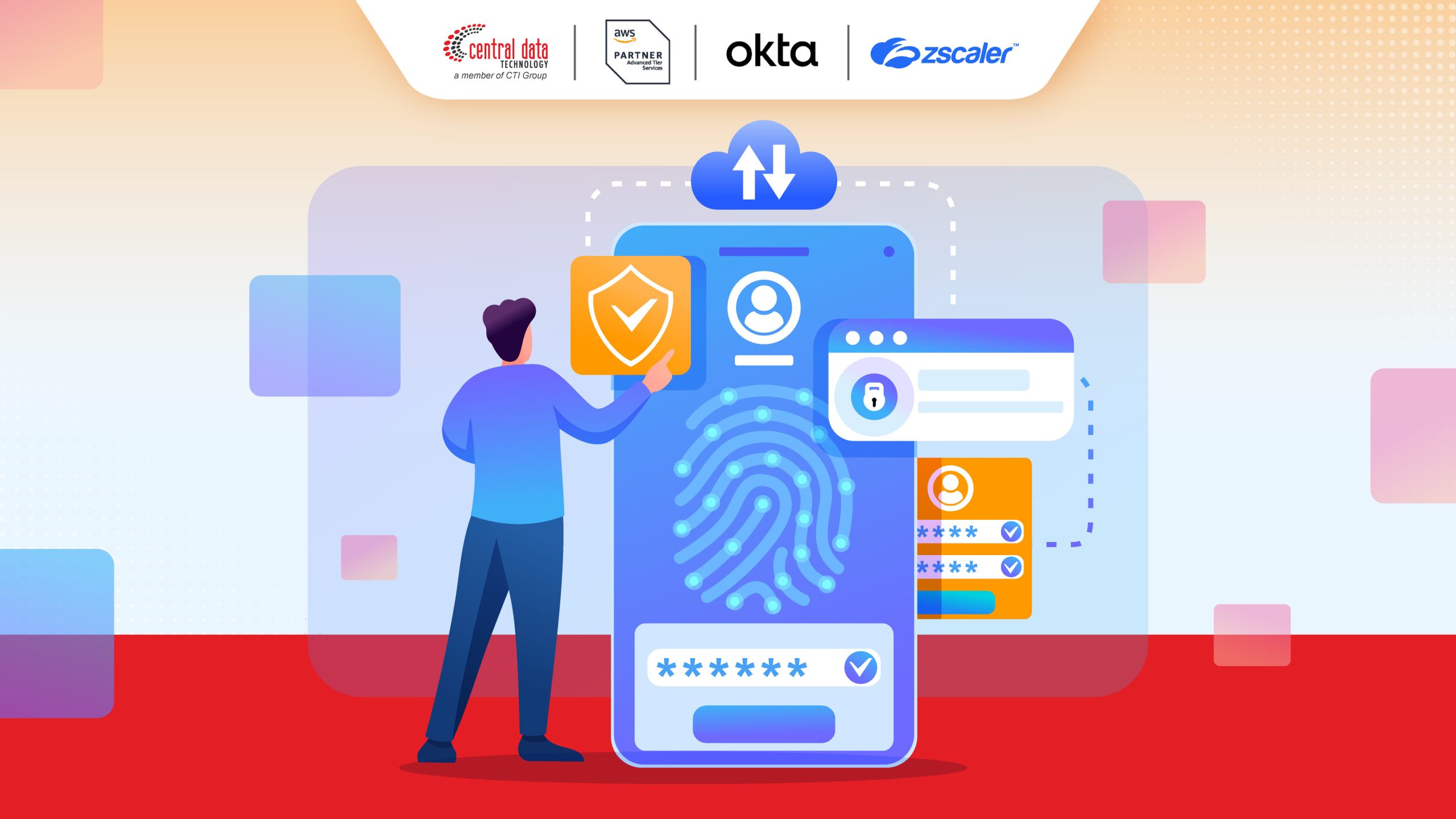
Every login attempt triggers a contextual analysis: where the user is logging in from, which device they’re using, and what role they play within the organization. Based on this data, the system assigns a risk score to determine the appropriate level of verification.
The higher the risk, the stricter the authentication process. For instance, logging in from a new location or an unrecognized device may prompt additional verification like an OTP code or biometric scan.
This ensures that legitimate users can access systems seamlessly, while suspicious attempts are challenged or blocked, achieving the right balance between security and usability.
Key Features of Adaptive Authentication
Adaptive authentication combines intelligence and flexibility to enhance access control. Instead of relying on static credentials, it continuously evaluates risk signals across every session.
Risk-Based Evaluation
Analyzes real-time context, such as device, location, and network to assess potential risks before granting access.
Continuous Monitoring
Tracks user activity throughout the session, not just during login, for ongoing protection.
Contextual Policies
Applies adaptive rules like requesting additional verification when users log in from unfamiliar locations.
Integration with MFA and IAM
Seamlessly connects with Multi-Factor Authentication (MFA) and Identity & Access Management (IAM) systems for unified, intelligent security.
Automated Policy Enforcement
Automates access decisions whether to allow, deny, or challenge, ensuring consistency and scalability.
The Business Benefits of Adaptive Authentication

By taking a risk-based approach, adaptive authentication offers tangible advantages for modern enterprises.
Proactive Security
Detects threats and blocks suspicious activity in real time before damage occurs.
Seamless User Experience
Trusted users skip unnecessary authentication steps, maintaining productivity without reducing protection.
Scalability and Flexibility
Ideal for global organizations with distributed teams and multiple device types.
Regulatory Compliance
Supports standards like GDPR, HIPAA, and PCI DSS through transparent and traceable authentication processes.
Adaptive Authentication vs. Multi-Factor Authentication (MFA)
While they sound similar, adaptive authentication and MFA serve different purposes.
MFA applies the same verification steps for every user, regardless of context. Adaptive authentication, on the other hand, dynamically adjusts authentication requirements based on detected risk levels.
In short, adaptive authentication is the smarter evolution of MFA, evaluating each login context, device, and behavior to determine whether additional verification is necessary.
Real-World Use Cases
Adaptive authentication’s flexibility makes it ideal for a wide range of real-world scenarios:
Securing Internal and Public Systems: Protects portals, applications, and databases from unauthorized access.
Balancing Security & User Convenience: Reduces friction for trusted users while maintaining strong protection.
Remote Workforce & Sensitive Industries: Perfect for finance, healthcare, and government sectors handling critical data across multiple locations.
Challenges and Considerations
Despite its advantages, implementing adaptive authentication comes with certain challenges depending on the organization’s readiness and infrastructure.
User Data Privacy
Since the system collects behavioral and location data, organizations must ensure transparent and compliant data management practices.
False Positives / Negatives
Systems may occasionally misjudge users or threats, though machine learning models can minimize such errors over time.
Cost and Complexity
While initial setup may require investment, cloud-based solutions now simplify integration with existing security systems.
Read More: Your Account is at Risk! Why Multi-Factor Authentication is No Longer Optional?
Adaptive Authentication Solutions from Central Data Technology (CDT)
Every organization has unique security needs. CDT provides three powerful adaptive authentication solutions designed to enhance identity and access protection:
AWS Identity and Access Management (IAM)
AWS IAM helps organizations securely control access to AWS resources at a scale. With a least privileged approach, it ensures users only have access necessary for their roles.
Integrated with adaptive authentication, IAM dynamically adjusts verification requirements based on context, tightening access for suspicious logins while maintaining a smooth experience for trusted users.
Zscaler Adaptive Access
Through Zscaler Private Access (ZPA), Zscaler delivers Zero Trust connectivity without relying on traditional VPNs. Its adaptive access policies assess user risk in real time and apply step-up authentication when needed, strengthening protection while preserving user convenience.
Built on the Zero Trust Exchange, Zscaler ensures that only verified users and devices can access internal apps, reducing insider and external attack risks.
Okta Adaptive Multi-Factor Authentication (MFA)
Okta’s adaptive MFA analyzes each login context, recognizing normal behavior patterns and flagging anomalies automatically. When suspicious activity is detected, Okta prompts additional verification like biometrics or tokens.
For low-risk users, Okta minimizes redundant MFA requests, offering a seamless and efficient access experience without compromising safety.
Strengthen Your Access Security with Central Data Technology (CDT)
Enhance your organization’s identity and access security with adaptive authentication solutions from AWS, Zscaler, and Okta, delivered by Central Data Technology (CDT), part of CTI Group.
As an experienced official partner in access security solutions, CDT helps businesses design and implement intelligent, context-aware authentication systems. From consultation and deployment to ongoing technical support, CDT ensures secure, scalable, and efficient access management across your digital environments.
Get in touch with the CDT team today to discover how adaptive authentication can help your business achieve the perfect balance between security and user experience.
Author: Wilsa Azmalia Putri – Content Writer, CTI Group