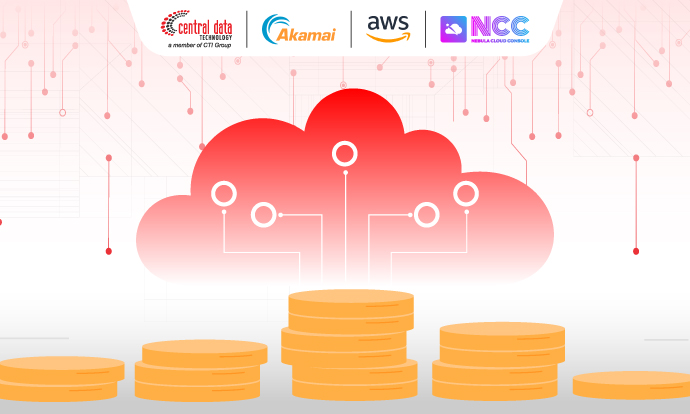
As your business grows, so do your cloud infrastructure needs. Without proper cost management, cloud spending can quickly turn into an unexpected financial burden. Facing this issue? Don’t worryCloud Cost Management is here to help you regain control without sacrificing performance.
But what exactly is cloud cost management? Let’s dive in.
What is Cloud Cost Management and Why is It Important?

Cloud cost management is a strategic approach business uses to control cloud service spending, ensuring efficiency and budget alignment. As cloud usage increases, so do the associated costs. Without proper management, companies risk losing control over their expenses, leading to unforeseen financial challenges.
One of the biggest challenges in managing cloud costs is the lack of visibility into resource usage. This can result in sudden cost spikes, payments for unused services, or even suboptimal performance due to poor resource allocation.
By implementing effective cloud cost management strategies, businesses can eliminate wasteful spending, maximize cost efficiency, and ensure that their cloud services continue to support business needs optimally.
What Factors Influence Cloud Costs?
After understanding the importance of cloud cost management, it’s equally essential to recognize the factors that impact cloud service expenses. Without a clear grasp of these elements, businesses can easily face unexpected cost overruns. Here are some key factors that contribute to cloud spending.
Resource Usage
The more computing power, storage, and bandwidth a business consumes, the higher the costs. If not monitored properly, increased usage can lead to unexpected billing spikes.
Instance Type
Virtual Machines (VMs) and containers have different cost structures. VMs fully simulate an operating system, while containers are more lightweight and run applications only when needed. While containers tend to be more cost-effective, their usage still requires careful cost planning.
Storage Costs
The amount of data stored, along with data transfer fees for uploading and downloading, can significantly impact overall expenses—especially for businesses that handle large volumes of data.
Autoscaling Usage
Autoscaling allows resources to scale up or down based on demand. While it can be costly, it helps businesses manage traffic spikes without overloading their servers.
Geographic Location
Cloud data centers in different regions have varying costs. Choosing a lower-cost location can save money, but businesses must consider the impact on performance, security, and regulatory compliance.
Technical Support
Cloud providers offer support services that may come with additional costs, whether through support contracts or ad-hoc requests. Businesses should align their support needs with their budgets to avoid unnecessary expenses.
4 Problems That Cloud Cost Management Can Solve

Managing cloud costs isn’t just about cutting expenses, it’s about ensuring more transparent and efficient usage. Here are some key challenges that cloud cost management can help address.
1. Difficulty in Cost Allocation
Without clear visibility, businesses struggle to attribute costs to Kubernetes clusters, namespaces, or specific services. Cloud cost management enables better cost breakdowns by business units or projects.
2. Low-Cost Accountability
Many companies aren’t aware of the most cost-effective combination of instances and service plans. With a strategic approach, cloud cost management helps select the most efficient options without compromising performance.
3. Lack of Cost Awareness Among Developers
Rapid business growth often leads to soaring cloud expenses. Cloud cost management helps raise awareness among developers about costs without slowing down their productivity.
4. Limited Insights into Spending
Without clear data, it’s difficult to pinpoint where cloud resources are being wasted. Cloud cost management provides better insights, allowing businesses to manage their budgets more wisely.
Read More: 2 Best VPN Alternatives to Enhance Cybersecurity and Online Privacy
Benefits and Challenges of Implementing Cloud Cost Management
Benefits of Cloud Cost Management
As discussed earlier, cloud cost management helps businesses manage their expenses more efficiently. Here are additional benefits.
- Cost Efficiency: Proper planning prevents waste on unused resources and maximizes discounts offered by cloud providers.
- Predictability: Accurate forecasting ensures businesses avoid unexpected cost spikes.
- Optimized Resource Utilization: Techniques like autoscaling and load balancing help businesses make the most of their cloud resources.
- Improved Performance: Right-sizing strategies ensure businesses select the appropriate capacity for their needs, maintaining optimal performance without excessive costs.
- Deeper Visibility: Detailed monitoring not only improves cost management but also enhances cloud governance and security.
Challenges in Cloud Cost Management
Despite its benefits, cloud cost management comes with challenges, mainly due to the complexity and dynamic nature of cloud environments. Some key challenges include.
- Lack of Cost Visibility: Without a comprehensive view, identifying cost optimization opportunities becomes difficult.
- Inaccurate Budget Forecasting: Varying pricing models make it challenging to predict future cloud costs, posing financial risks.
- Complex Billing Structures: The multitude of pricing options and services often confuses businesses when analyzing their expenses.
- Suboptimal Cloud Architecture: Poor design decisions can lead to unnecessary resource consumption and wasted costs.
- Lack of Accountability and Coordination: Without proper management, uncontrolled cloud usage can lead to unnoticed spending increases.
What Cloud Cost Management Tools Can You Adopt?
To manage cloud costs more effectively, businesses can leverage cloud cost management tools. These solutions provide better visibility into cloud resource usage and help optimize spending.
When cloud infrastructure is spread across multiple vendors, controlling costs can become challenging. Cloud cost management tools—typically offered as Software-as-a-Service (SaaS)—enable businesses to monitor cloud usage, identify waste, and manage budgets more efficiently. With the analytical reports generated, companies can pinpoint underutilized resources and eliminate unnecessary expenses.
3 Best Cloud Cost Management Tools from CDT
To help businesses manage cloud spending more effectively, CDT offers three main solutions: AWS Cost Explorer, Nebula Cloud Console, and Akamai. Each tool provides unique advantages in visibility, analysis, and cost control.
AWS Cost Explorer
AWS Cost Explorer is a cost analytics tool designed to help users understand their AWS spending patterns. With an intuitive interface, users can:
- Visualize Spending: Generate custom reports to track daily or monthly spending trends and identify high-cost areas.
- Analyze Usage: Gain insights into resource consumption to determine which services contribute the most to expenses.
- Forecast Costs: Predict future expenses based on historical trends for more accurate budgeting.
These features help businesses optimize resource usage and minimize unnecessary costs.
Learn More About Product: AWS
Nebula Cloud Console
Nebula Cloud Console is a cloud management platform developed by Central Data Technology (CDT). It offers:
- Centralized Control: Manage multiple cloud environments from a single dashboard for easier monitoring and resource management.
- Deep Visibility: Gain detailed insights into cloud resource usage, helping identify inefficiencies and optimization opportunities.
- Multi-Cloud Management: Integrate with various cloud providers to manage hybrid infrastructures more efficiently.
With this tool, businesses can enhance operational efficiency and reduce costs through better resource allocation.
Learn More About Product: Nebula Cloud Console
Akamai
Akamai provides cloud cost optimization solutions primarily through its Linode services. This tool ensures high performance while maintaining cost efficiency, allowing businesses to optimize cloud usage while keeping costs under control. Key features include.
- Low Egress Costs: Offers more competitive outbound data transfer pricing than major cloud providers, reducing total expenses.
- Kubernetes Cost Monitoring: Integrates with Kubecost to track and manage Kubernetes-related expenses, helping identify and eliminate resource waste.
- Transparent Pricing: Provides a clear and simple pricing structure, making budget planning easier and preventing unexpected charges.
Learn More About Product: Akamai
Implement the Best Cloud Cost Management Solutions with CDT
Managing cloud costs is not just about cutting expenses—it’s about ensuring optimal and sustainable resource utilization. By understanding the factors that influence costs, applying the right cost management strategies, and leveraging tools like AWS Cost Explorer, Nebula Cloud Console, and Akamai, businesses can gain better control over their cloud budgets.
As an authorized AWS and Akamai partner in Indonesia, Central Data Technology (CDT)—a subsidiary of CTI Group—is backed by a team of certified and experienced IT professionals. CDT ensures seamless cloud cost management implementation, eliminating the risks of trial and error.
From consultation and deployment to management and after-sales support, CDT is ready to help you optimize cloud performance with the best solutions tailored to your business needs.
Ready to manage your cloud costs more efficiently? Contact us now by clicking the link below.
Author: Wilsa Azmalia Putri – Content Writer, CTI Group