In healthcare, decisions often need to be made in seconds even when the full picture isn’t clear yet.
Now, imagine if doctors could instantly detect patterns from thousands of medical records, lab results, and even genetic data. That’s exactly what healthcare data analytics makes possible. It transforms raw, complex information into clinical insights that boost diagnostic accuracy, streamline workflows, and, most importantly, save lives.
In this article, we’ll take a closer look at how data is quietly revolutionizing the way healthcare works, making it smarter, faster, and more precise.
What Is Healthcare Data Analytics?
Healthcare data analytics is the process of turning raw data, from medical histories and lab results to genetic information, into actionable insights. By identifying patterns and trends, healthcare professionals can make faster, more accurate, and targeted decisions.
But it’s not just about crunching numbers. This type of analytics also relies on technologies like machine learning and data visualization to improve service quality, optimize resources, and support evidence-based care.
In short, it’s a smart way to turn overwhelming health data into real-world solutions that make a difference.
4 Types of Healthcare Data Analytics That Sharpen Decision-Making
Here are four core types of healthcare data analytics that help healthcare providers make more strategic, data-driven decisions.
Descriptive Analytics
This type helps answer the question: “What happened?” By summarizing historical data, descriptive analytics gives a clear overview of past medical treatments and events.
Diagnostic Analytics
Goes one step further to explain “Why did it happen?” It uncovers root causes by analyzing patterns and trends in health data.
Predictive Analytics
Uses both historical and current data to forecast what might happen in the future, empowering healthcare professionals to be more proactive and prepared.
Prescriptive Analytics
Offers actionable recommendations based on predictions. This approach supports smarter, evidence-based decisions tailored to each unique situation.
3 Ways to Make Healthcare Data Analytics More Impactful
So, how can we ensure data analytics goes beyond just numbers and truly drives impact? The key is to match the right analytics approach to the right use case. Here are three focus areas that transform how we use data in healthcare:
1. Medical Data Analytics
Centers around patient data like medical records, lab results, and data from wearable devices. It enables faster diagnoses, tailored treatment plans, and real-time patient monitoring.
2. Clinical Data Analytics
Focuses on care delivery processes, including patient interactions, medical procedures, and clinical workflows. It helps healthcare providers identify patterns that improve efficiency and decision speed.
3. Hospital Data Analytics
Zooms in on hospital operations, from administration to finance. With this approach, hospital management can make more strategic, data-backed decisions that improve service quality and resource allocation.
Each type plays a unique role, but they all work toward the same goal: helping healthcare professionals make smarter decisions and deliver better care.
Big Data: The Hidden Power Behind Smarter Healthcare Services
Powerful analytics wouldn’t be possible without Big Data. As the volume of medical data explodes, Big Data opens new doors for faster, more accurate, and personalized healthcare.
In practice, Big Data is being used to:
- Enhance patient experience through individualized care
- Develop machine learning models for earlier and more accurate disease detection
- Accelerate medical research by identifying patterns, fostering innovation, and supporting new treatments
With broader access to data, healthcare professionals now have the tools to truly understand patients and deliver care that makes a real impact.
Learn More: The Definition of Big Data: Functions and Implementation Challenges
Big Data in Healthcare: Great Potential, Even Greater Challenges
Behind its groundbreaking potential, leveraging Big Data in healthcare comes with serious challenges. To make it truly safe and effective, four key areas need to be addressed:
The Data Talent Gap in Healthcare
The demand for professionals who combine data science with medical expertise is rising, but the talent pool remains scarce. Some institutions are tackling this issue through specialized training programs to build the next generation of healthcare data professionals.
Data Privacy and Security
Data breaches and cyber threats can damage trust and reputation. Compliance with regulations like data protection laws is essential, but implementation is often complex and costly.
Integration and Interoperability
Medical data comes from many sources, EHRs, labs, pharmacies, wearable devices, but often remains siloed. Without integration, it’s difficult to get a comprehensive view of a patient’s condition.
Data Quality and Standardization
Incomplete data, inconsistent formats, and differing standards between providers can reduce the accuracy of analytics. Standardizing healthcare data is a long road, but it’s a vital step toward more reliable insights.
Why Interoperability is the Key to Digital Health Transformation
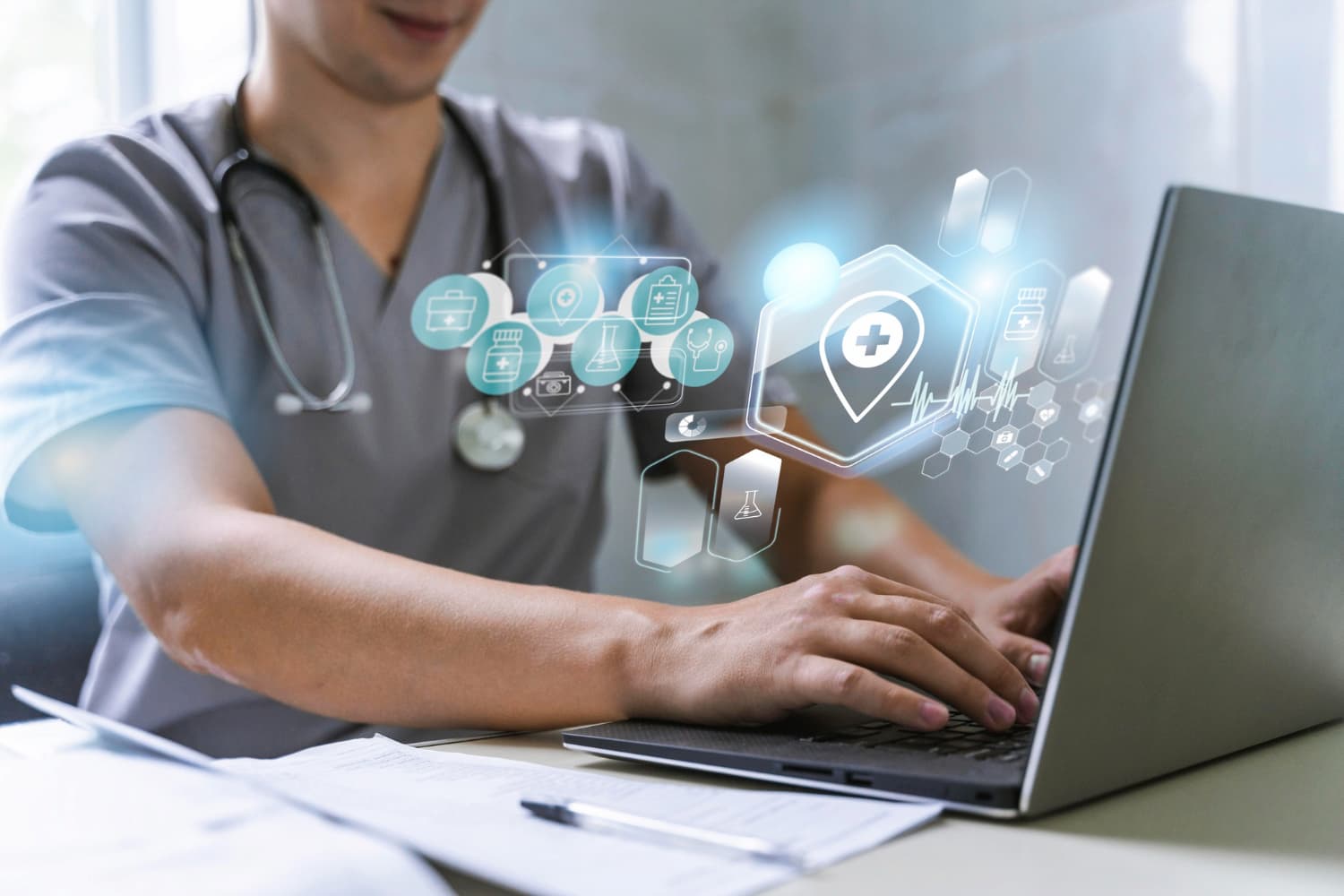
Without interoperability, healthcare systems remain fragmented and disconnected. Yet, seamless integration is the foundation of efficient, life-saving care. The main benefits include:
- Better coordination among healthcare professionals
- Improved patient safety through centralized, integrated information
- Easier access to patient records via digital platforms
- Support for public health trend analysis and early outbreak detection
The Future of Healthcare: Smarter and More Personalized
The future of healthcare is inseparable from data. As technology evolves, here are the key trends shaping tomorrow’s healthcare landscape.
AI & Machine Learning
From early detection to automated diagnostics, AI helps clinicians uncover hidden patterns and deliver faster, more accurate solutions.
Precision Medicine
By combining genetic data, lifestyle, and environmental factors, treatment can be tailored to the individual, moving beyond the “one size fits all” approach.
Telemedicine & Remote Monitoring
With wearable devices and remote care services, doctors can monitor patients in real-time even before symptoms appear.
Population Health Management
Data is used to analyze community-level trends, design preventive programs, and improve overall health outcomes.
Data Interoperability Solutions in Healthcare: Seamless Integration, Smarter Analytics
As discussed earlier, interoperability remains one of the biggest challenges in healthcare data analytics. When data is scattered across different systems, it slows down analysis and increases risk.
What’s needed is technology that can unify, secure, and streamline access to all medical data within one connected ecosystem. Here are two powerful tools making that possible:
Pentaho Data Integration: Unify Your Data, Make Faster Decisions
Pentaho Data Integration (PDI) is an ETL (Extract, Transform, Load) platform that brings together data from EHRs, labs, wearable devices, and cloud systems into a seamless flow. With this solution, healthcare organizations can:
- Aggregate data from various sources for a complete patient view
- Reduce administrative burdens through streamlined workflows
- Ensure data protection and compliance with regulations like the UU PDP
Key features include:
- Intuitive drag-and-drop interface for building integration workflows
- Support for Big Data and predictive analytics
- Compatibility with EHRs, IoT devices, and cloud platforms
With PDI, healthcare providers can make real-time, data-driven decisions to improve patient outcomes.
AWS Lake Formation: Build a Secure, Analytics-Ready Data Lake
AWS Lake Formation empowers healthcare organizations to create and manage secure, centralized, and analytics-ready data lakes. This service enables organizations to:
- Consolidate data from multiple systems into one place for easy analysis
- Manage access control by role and monitor usage with detailed audit logs
- Use stored data directly for training machine learning models
Top features include:
- Automated crawling and cataloging of data from various sources
- Role-based access control to protect sensitive information
- Seamless integration with AWS Glue, Athena, and other ML tools
- Interoperability with third-party systems
With AWS Lake Formation, hospitals and healthcare institutions can build a modern, scalable, and secure data infrastructure to support both current and future analytics needs.
Ready to Elevate Your Healthcare Data Analytics? Let’s Make It Happen with CDT!
Central Data Technology (CDT), a subsidiary of CTI Group and an authorized advanced partner for AWS and Pentaho, is here to help your organization tackle healthcare data interoperability challenges head-on.
We offer end-to-end solutions for data integration, security, and digital transformation tailored to the healthcare sector.
Get in touch with CDT today for a free consultation, click the link below and start your healthcare data transformation journey with us!
Author: Wilsa Azmalia Putri – Content Writer CTI Group